Cart

Your cart is empty.
Explore your product matches or browse a nearby dispensary to find something that’s right for you.
0 of 6 strains
No cultivars to compare. Add some from the cultivar cards!
Create a free account to rate and review strains.
Explore your product matches or browse a nearby dispensary to find something that’s right for you.
What is CBGA? In this chapter, we discuss the compound known as the ”mother of all cannabinoids”, and review its effects and potential medical benefits.
Chapter 6 · 4 min read
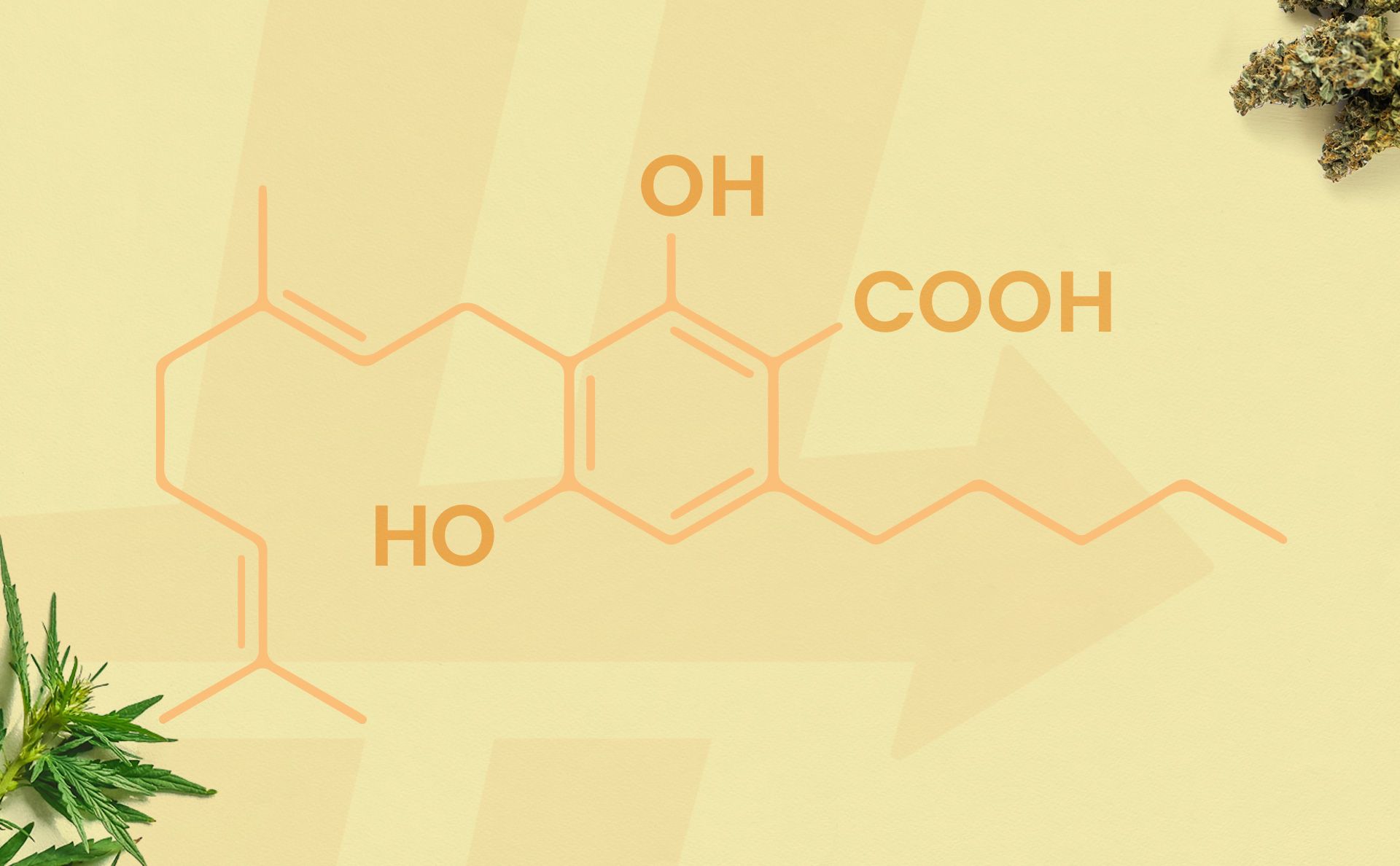
Nicknamed the mother cannabinoid, CBGA, or cannabigerolic acid, is a significant, arguably major cannabinoid with significant potential for medical applications with low risk of mild, temporary side effects.
CBGA is the most important and foundational cannabinoid found in cannabis. All major cannabinoids, including THC, CBD, and CBC, ultimately descend from CBGA. CBGA creates THCA, CBDA, and CBCA, among others, which are decarboxylated into the neutral forms we are more familiar with.
CBGA gives rise to the diversity of cannabinoids and chemotypes we have today by acting as the “mothership cannabinoid”. When CBGA remains dominant in a cannabis plant, without converting to the other acidic cannabinoids, it’s called type IV cannabis chemotype by researchers. Type IV cannabis is a major type of hemp, right behind type III cannabis (CBDA dominant).
Cannabis plants can now be selectively bred up to 100% CBGA or CBDA hemp. Manufacturers must be extra careful during the extraction process, because any amount of heat will degrade the CBGA into CBG. Logically, there isn't enough CBGA in other chemotypes because it’s already been converted almost entirely into THCA or CBDA, respectively.
CBGA is non-impairing because it has a weak affinity for CB1 (psychoactive) and CB2 receptors. Instead, it generally acts in the background on many other receptor targets that are important for regulating mood (as CBG), inflammation, pain, and metabolism. It also indirectly influences endocannabinoid system enzymes (e.g. DAGL, MAGL) that may increase feel-good endocannabinoids.
CBGA is available in legal hemp-based products, and open to public use for a variety of health and wellness reasons. People who are busy, working, or otherwise active during the daytime can take advantage of CBGA’s non-intoxicating relief without concern of getting high. Since CBGA quickly turns into CBG after smoking, baking, and even simply after ingestion, they inevitably share many effects as they enter the body.

What the expert says...
"CBGA is the direct parent of CBG and all major cannabinoid acids (e.g. THCA, CBDA, CBCA). It’s the grandparent of THC, CBD, and CBC. Thus, CBGA’s properties closely reflect those of CBG."
There isn’t any clinical research yet conducted on important minor cannabinoids like CBGA or even CBDA. In fact, CBGA is one of the least studied or known cannabinoids, despite its foundational importance.
According to the CannaKeys database, there are less than a total of 50 animal (in vivo), test tube (in vitro), and computer-based (in silico) studies that provide hints about this compound’s potential healing properties and medical applications.
In sum, according to limited evidence, the potential benefits of CBGA include:
Based on metabolism and body heat, it's also reasonable to assume that CBGA gives near-identical potential effects to CBG.
Since there aren't any clinical studies on CBGA, we don't know the full set of possible short or long-term side effects. However, we do know that cannabinoids like CBG have a great safety profile and are generally well-tolerated with few side effects to worry about.
Because of CBGA’s quick conversion to CBG upon consumption, it's reasonable to assume that you may experience side effects similar to CBG, such as:
To date, there aren’t any serious side effects reported from CBGA.
CBGA is of major importance, but ironically is among the least-studied cannabinoids. There are few preclinical studies to demonstrate findings, but they are encouarging. Here’s what we learned about CBGA:
If you are loving gaining more knowledge of cannabinoids, what better way to do so than to continue learning about these compounds right here in our guide? Answer the question below, and let’s inch closer to completion of this guide.
What is CBGA often referred to as?

Dr. Abraham Benavides
Dr. Abraham Benavides is an internationally-recognized cannabis research expert, experienced medical advisor, and full-tuition merit scholar of the George Washington University School of Medicine and Health Sciences. Dr. Abe enjoys helping patients as a writer, educator, and cannabis health coach at the GW Center for Integrative Medicine.