Cart

Your cart is empty.
Explore your product matches or browse a nearby dispensary to find something that’s right for you.
0 of 6 strains
No cultivars to compare. Add some from the cultivar cards!
Create a free account to rate and review strains.
Explore your product matches or browse a nearby dispensary to find something that’s right for you.
Explore the historical significance and modern revival of hemp textiles, emphasizing its potential to offer sustainable solutions in the fashion and textile industries through ecological benefits and functional properties.
Chapter 10 · 5 min read
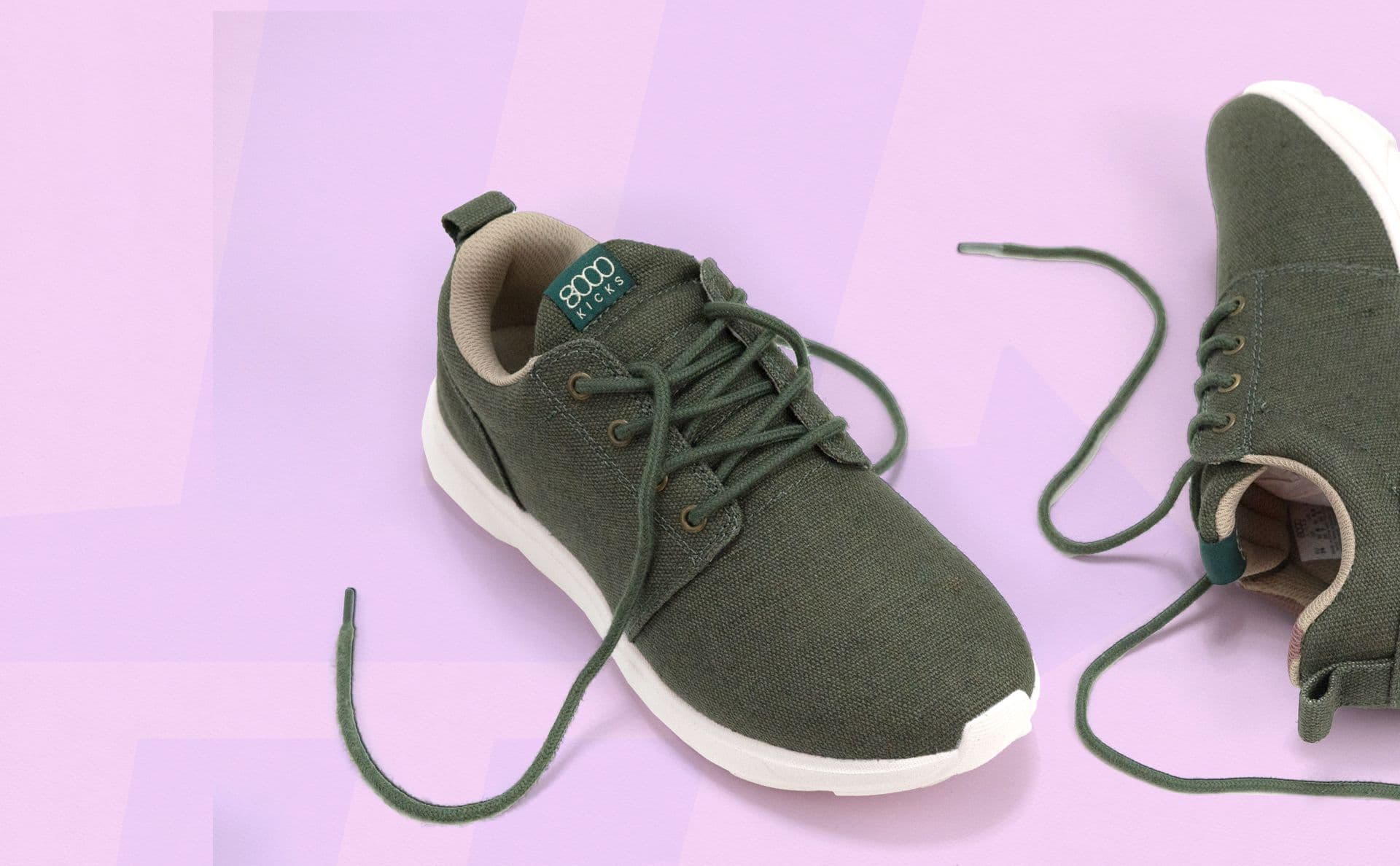
Hemp textiles have a rich history that dates back thousands of years, showcasing the material's versatility and durability across different cultures and eras.
Hemp is one of the oldest cultivated crops, with evidence of its use dating back to ancient civilizations. Archaeological findings suggest that hemp was used for textiles as early as 8,000 BCE in areas that are now modern-day China and Taiwan. Ancient Chinese civilizations used hemp fibers to make clothing, shoes, ropes, and even early forms of paper. The plant's durability and abundance made it a crucial resource for various applications.
In ancient India, hemp was also revered for its strong fibers and was utilized in the creation of fabrics and ropes. Sanskrit texts from around 2000 BCE reference hemp as a significant crop for its medicinal and practical uses. Similarly, hemp spread to the Middle East and Europe, where it became an essential material for making sails, ropes, and clothing. By the Middle Ages, hemp cultivation had become widespread across Europe, particularly in Italy and France, known for their high-quality hemp products.
The Industrial Revolution brought significant advancements in textile manufacturing, and hemp remained a valuable resource. In the United States, hemp was cultivated extensively during the colonial period and early 20th century. American farmers grew hemp for its fiber, which was used to produce everything from clothing to ship sails and canvas for covered wagons.
However, the mid-20th century saw a decline in hemp cultivation due to regulatory changes and the rising popularity of cotton and synthetic fibers. The 1937 Marihuana Tax Act in the United States, which aimed to regulate cannabis, inadvertently impacted hemp production due to its association with cannabis. This led to a significant decrease in hemp farming and usage.
In recent decades, there has been a resurgence of interest in hemp, driven by its ecological benefits and sustainable properties. The recognition of hemp as an environmentally friendly alternative to traditional textiles has led to renewed cultivation and innovation in hemp-based products.
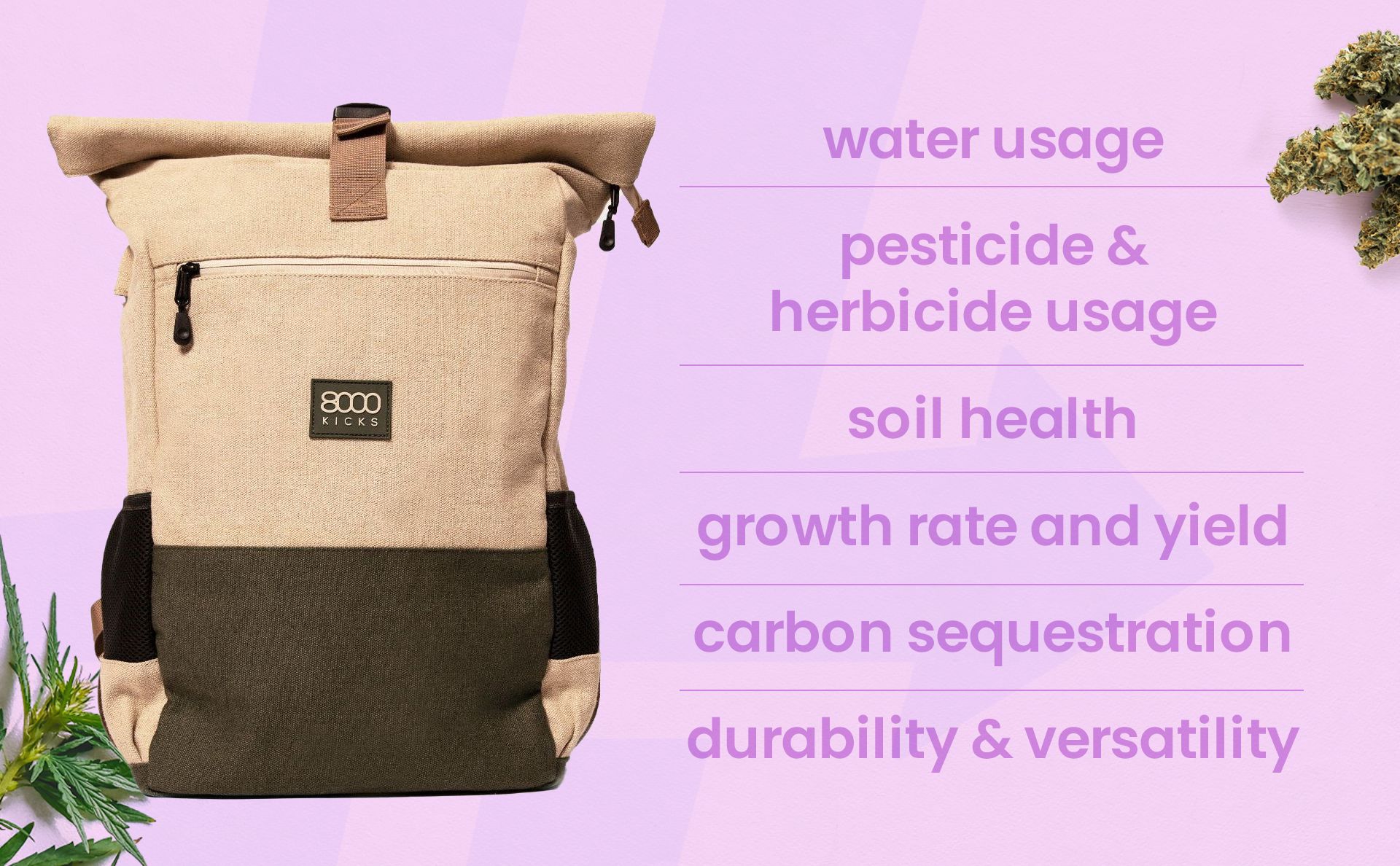
Hemp is considered a highly sustainable alternative to conventional fibers used in the fashion industry. Here's how hemp measures up in various environmental aspects:
Water Usage
Pesticide and Herbicide Usage
Soil Health
Growth Rate and Yield
Carbon Sequestration
Durability and Versatility
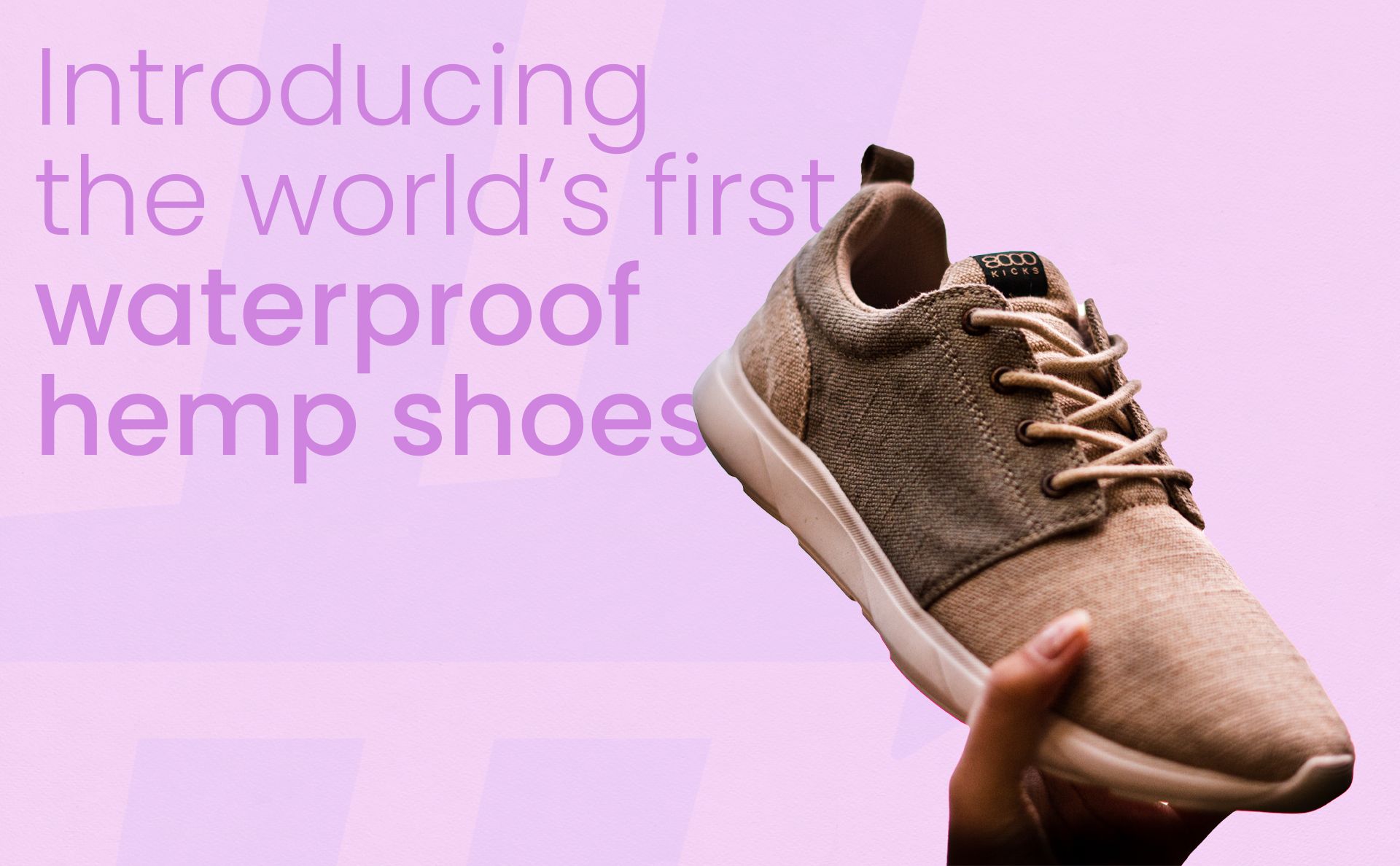
Hemp is experiencing a remarkable resurgence in the fashion and textile industries, extending from clothing and shoes to accessories and home textiles. Globally, brands are embracing hemp to craft products that blend style, functionality, and environmental responsibility. Highlighting this trend, 8000 Kicks recently introduced the world’s first waterproof hemp shoes and backpacks!
Ecological Benefits
Functional Properties
Hemp textiles have a storied history and are now at the forefront of sustainable fashion. Their ecological benefits and functional properties make them an excellent choice for consumers seeking environmentally responsible and high-performance products. As the world continues to prioritize sustainability, the revival of hemp textiles represents a promising step towards a greener future.
As we explored in this chapter, the historical and modern significance of hemp textiles reveals a material that is both ancient and innovatively sustainable.
We believe that hemp textiles are key to revolutionizing the fashion industry with a sustainable approach. Here’s what we learned in this chapter:
Way to go! You've completed our Cannabis Industry Guide! Answer the question below and make it official.
What makes hemp textiles highly sustainable?