Cart
Your cart is empty.
Explore your product matches or browse a nearby dispensary to find something that’s right for you.
0 of 6 strains
No cultivars to compare. Add some from the cultivar cards!
Create a free account to rate and review strains.
Explore your product matches or browse a nearby dispensary to find something that’s right for you.
Why do we get hungry after consuming cannabis? In this chapter of our Body Guide, we’ll learn about the connection in brain chemistry between cannabinoids and your growling stomach.
Chapter 12 · 4 min read
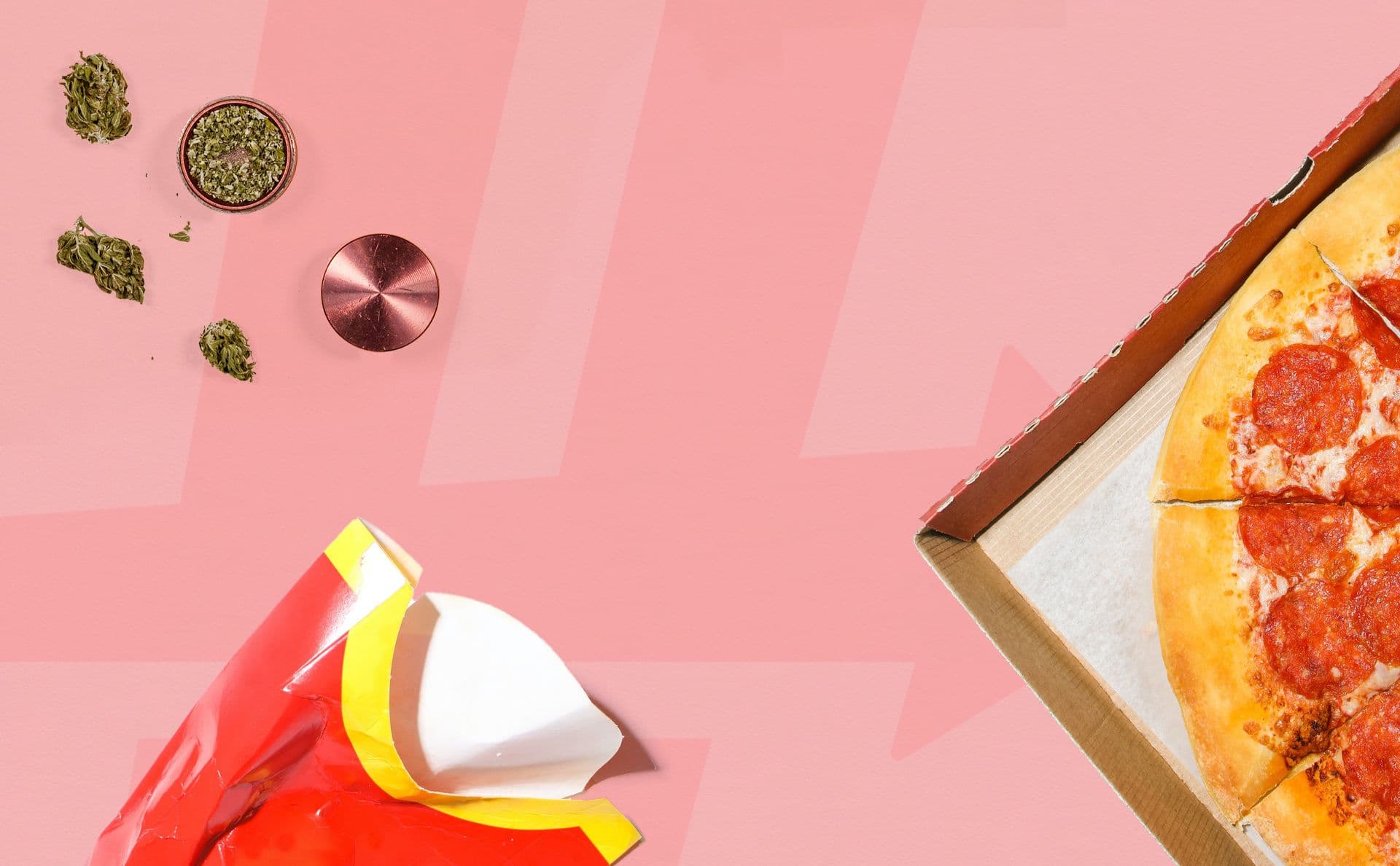
Even if we’ve just finished eating a meal, why do we feel hungry after consuming cannabis? With all things cannabis and the brain, it comes down to our endocannabinoid system. The ECS is connected to our entire bodies and the chemical compounds in cannabis react with it to enhance most of our appetites.
This is commonly referred to as the munchies. Of course, the ECS is also responsible for regulating our sexual function, immune system, metabolism, and food intake. The ECS is basically like a complex, interconnected system of keyholes. THC is like one of the master keys, which turns the ignition to start reactions in our bodies, and getting the munchies is just one of them.
According to research, cannabinoids interact with a hormone called ghrelin, which is secreted by the stomach. Ghrelin stimulates appetite, and it is thought that patients who have issues with desiring food lack this hormone, such as cancer patients going through chemo.
Studying the reason why cannabis can make us hungry is most certainly nothing new. A study on the munchies was published in the journal Pharmacology Biochemistry and Behavior way back in 1986.
The authors of the study concluded that cannabis consumers who smoked two joints or more ate more calories (in the form of snacks) than those that didn’t consume cannabis. This was a small study in a time when most of such research was aimed at finding reasons to continue the prohibition on cannabis, but the results stand the test of time.
As with most things cannabis, it largely comes down to the individual: age, body type, and personal ECS, tolerance, and so on. Getting the munchies is just one of the many aspects of what happens when we consume cannabis.
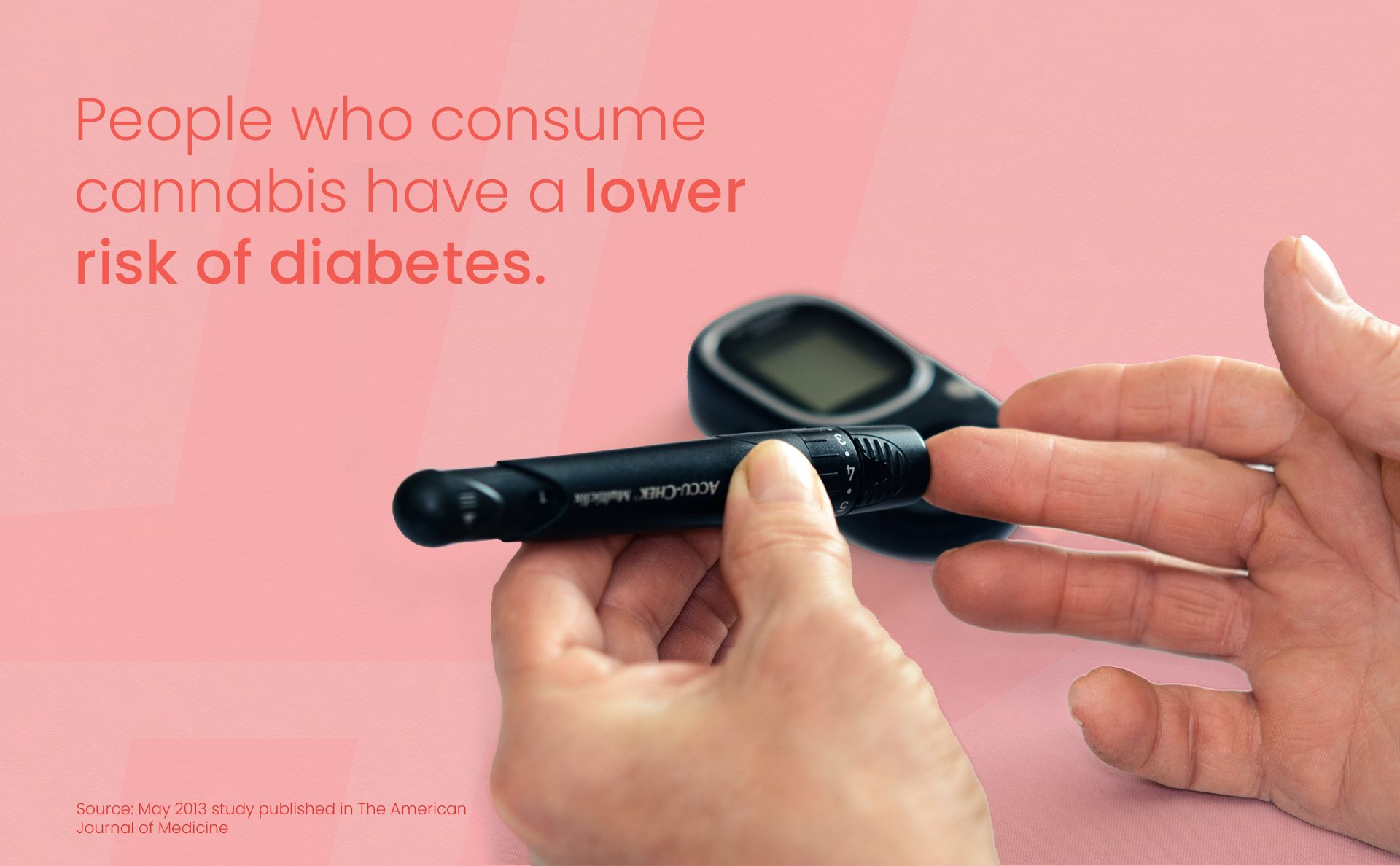
A May 2013 study published in The American Journal of Medicine found that people who consume the plant have levels of fasting insulin that is lower than those who do not. This is significant because fasting insulin levels are used as a main indicator of prediabetes risk. The study also found that cannabis consumers have smaller waist circumferences than those who don’t consume. The findings of the research could just mean that those of us who consume cannabis happen to be generally healthier overall, but it’s notable nonetheless.
One of the other reasons why cannabis makes food taste and smell better, thus increasing our appetite is caused by a phenomenon known as olfactory habituation. In this particular study, mice were dosed with THC. The mice who were not interested in THC lost interest in items with interesting scents and went on doing other things.
The mice who had ingested THC were more interested in the scents. This demonstrates that cannabinoids can lead to heightened senses. Additionally, the mice dosed with THC also showed an increase in appetite, eating significantly more food than the mice that weren’t dosed.
It’s promising to see the positives in these aforementioned studies, and how mainstream publications are covering the science behind the munchies. In the near future, we will see more knowledge and useful information regarding the links between cannabis and food, of which there are many.
While research on the science behind the munchies is still lacking, it’s encouraging to see the progress made. Here’s what we learned are key takeaways from the Science Behind the Munchies chapter:
We have almost completed the Cannabis and the Body Guide! Ready to make it official? Answer the question below.
Individuals that consume cannabis have levels of fasting insulin that is lower than those who do not.