Cart

Your cart is empty.
Explore your product matches or browse a nearby dispensary to find something that’s right for you.
0 of 6 strains
No cultivars to compare. Add some from the cultivar cards!
Create a free account to rate and review strains.
Explore your product matches or browse a nearby dispensary to find something that’s right for you.
This chapter of our terpenes guide covers the complex compound called terpinolene. Discussed here are its taste and smell, and if terpinolene has any benefits.
Chapter 9 · 4 min read

What is Terpinolene? In this chapter, we discuss the flavor, aroma, and potential benefits of this complex and complicated terpene.
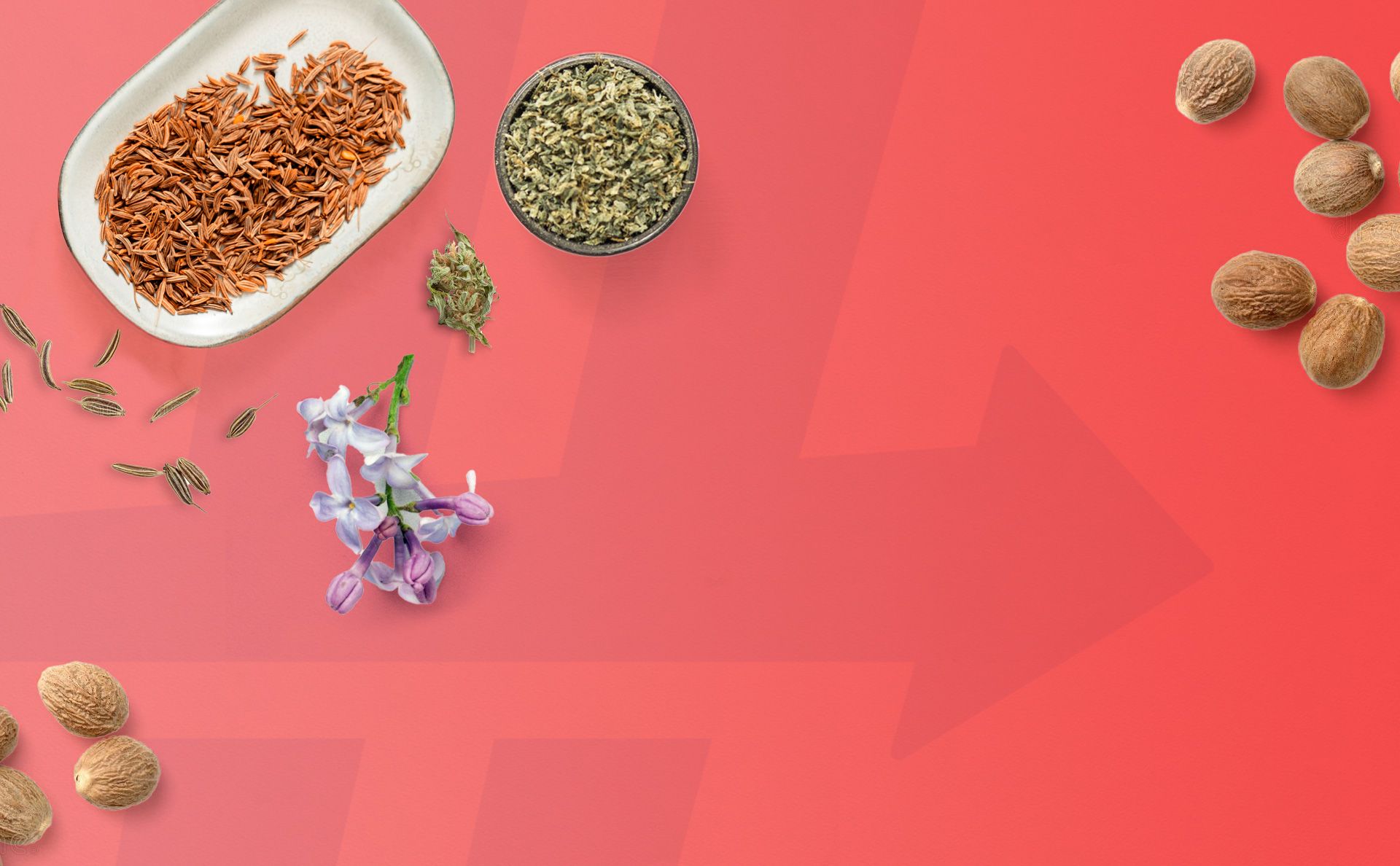
Pronounced “terp-in-oh-leen,” terpinolene is of the more complex and difficult to understand terpenes. Terpinolene is found in a wide variety of plants. You can find it in tea-tree, citrus fruits, navel oranges, apples, spices like nutmeg and cumin, as well as flowers like lilacs.
While more prominent terpenes like humulene, myrcene, and limonene are often found in abundance in many popular cannabis cultivars, terpinolene is less common and more variable in quantity between cultivars. Nevertheless, terpinolene is still considered one of the primary terpenes of cannabis.
Terpinolene’s uniquely complex flavors and aromas are an inviting mixture of earthy, piney, citrusy, herbaceous, and even a little floral. These flavors and aromas give depth to cultivars and to other food and plants that contain this unique terpene. The scent can basically be described, not so succinctly, as:
Unlike other cultivars that have a very specific flavor and taste like limonene, terpinolene is more complex and based on the individual cultivar. Terpinolene is perhaps the least common of the primary terpenes found in cannabis, usually found in only small amounts.

What the expert says...
"Terpinolene is a flowery and fruity terpene found mostly in type I cannabis, more than types II or III. Few cultivars will be dominant in terpinolene, often co-occurring with myrcene or beta-caryophyllene, despite being labeled as “sativas” by retail."
Cultivars containing terpinolene are about as diverse as the terpene itself. Terpinolene isn't as prominent and rarely plays a leading role as do its relatives like myrcene and caryophyllene. However, you may recognize its presence in many of your favorite kinds of cannabis.
As we know currently, terpinolene mainly shows up in cultivars that are THC-dominant, and more commonly in what retail calls “sativa strains.” This means that few, high-CBD cultivars will feature terpinolene as its primary terpene.
Ironically, high terpinolene tends to occur with high levels of myrcene – a sedating terpene normally associated with “indica” cultivars. Despite this, retail still overrepresents high-terpinolene and myrcene cultivars as “sativa” products. This happens about twice as often as “indica strains”, revealing a scientific disconnect between retail and research. Some of the most popular cultivars containing terpinolene include:
In sum, terpinolene can be most appreciably found in type I (THC-dominant) cannabis. It can also be found to significantly lesser degrees in type II (1:1 THC:CBD), and type III cannabis, also called hemp (CBD-dominant).
Normally, we don't think of terpenes as being psychoactive. However, recent 2023 evidence shows us that certain terpenes like terpinolene may activate the CB1 receptor with at least 25% the strength of THC. Some of those terpenes, including terpinolene, even enhanced the CB1 response to THC, demonstrating that terpinolene may play a role in the entourage effect.
This means that terpinolene may have a subtle impact on the consumer when combined with other compounds in whole-plant cannabis, like cannabinoids and other terpenes. As is the case with so many other aspects of cannabis, more research is needed to determine this, and each consumer responds differently.
According to the CannaKeys 360 research database, also medically reviewed by Dr. Benavides, the aggregated terpinolene data are strictly preclinical at this time. This means the little we know about its potential effects is only based on test tube and animal research. Terpinolene is also most often found with other terpenes at the same time, which may confound results.
Nevertheless, limited data show terpinolene may act as a:
Traditional remedies like garlic, high in terpinolene and other terpenes, are used for a variety of ailments from skin trauma, wounds, and snakebites to gastric problems, ulcers, and other digestive issues.
As we continue to see cannabis research progress forward, we could see the known benefits of terpenes like terpinolene increase. Here’s what we learned about Terpinolene in this chapter:
The future is bright for the wonderful world of terpenes, and only time will tell how much more we can learn about these valuable natural compounds.
Only one more chapter to go to complete this guide! Well done. By now, you know the drill. See you in the next chapter.
Terpinolene mainly shows up in cultivars that are dominant in what cannabinoid?

Dr. Abraham Benavides
Dr. Abraham Benavides is an internationally-recognized cannabis research expert, experienced medical advisor, and full-tuition merit scholar of the George Washington University School of Medicine and Health Sciences. Dr. Abe enjoys helping patients as a writer, educator, and cannabis health coach at the GW Center for Integrative Medicine.